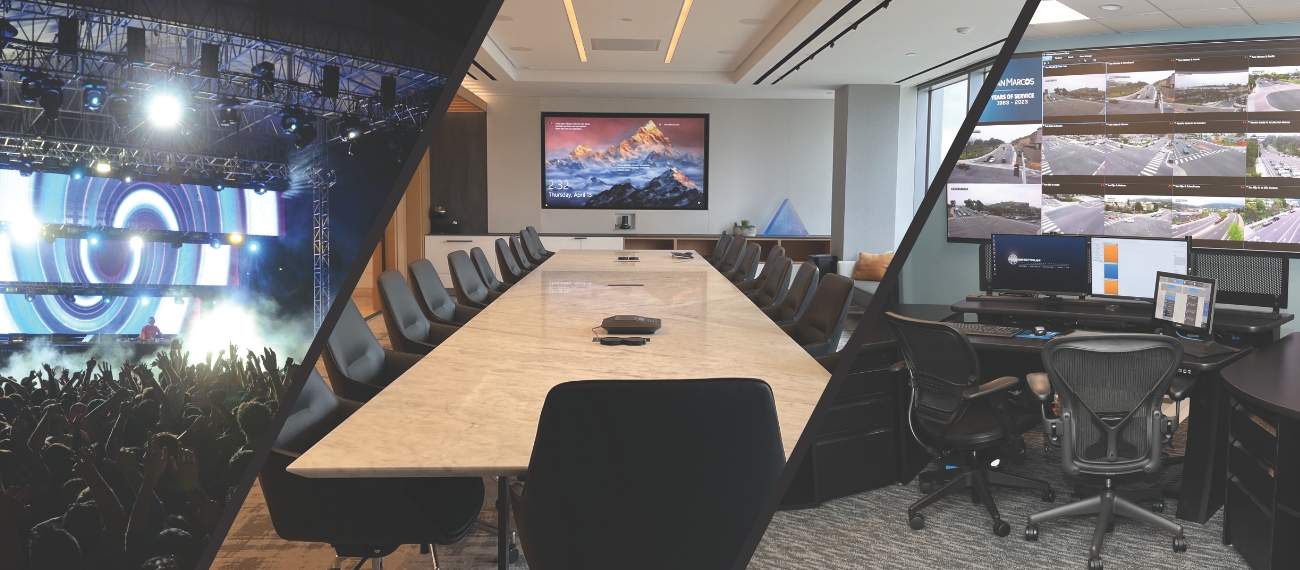
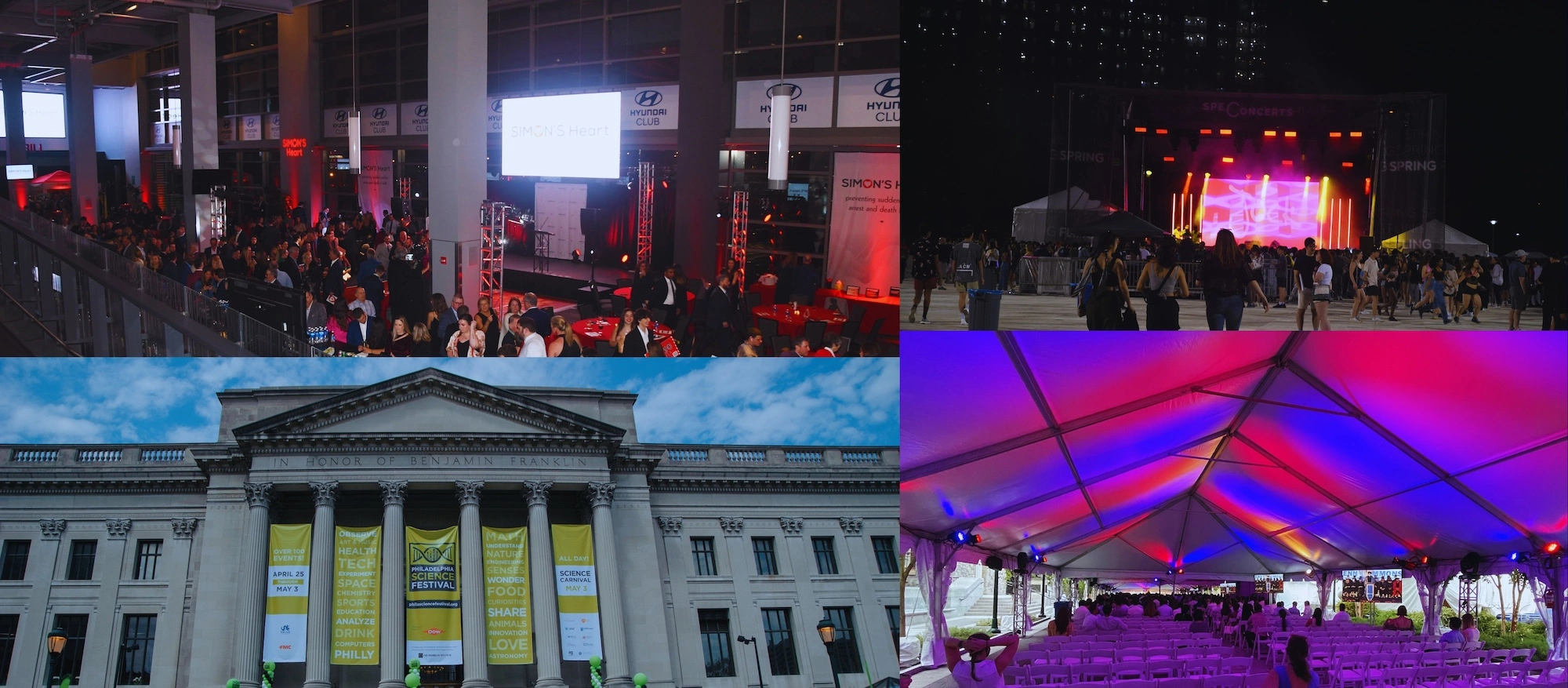
How modern mission-critical environments are improving decision-making and operational performance leveraging AV technology and managed AV services
Executive Overview
In mission-critical environments, AV technology is more than a tool, it’s a foundation for making faster decisions, coordinating responses, and protecting people, infrastructure, and essential services.
From emergency operations centers (EOCs) and 911 dispatch centers to utility control rooms, transportation command centers, security operations centers (SOCs), campus command centers, critical command centers (CCCs), and enterprise network operations centers (NOCs), organizations are rethinking how they visualize, manage, and respond to critical information.
For more than 55 years, Visual Sound has helped organizations leverage audio visual technology to improve communication, collaboration, and operational efficiency. Over the past decade, our specialized Mission-Critical Operations team has focused on designing, integrating, and supporting high-performance command-and-control environments built for reliability, security, and 24/7 operation.
Our ongoing research shows that today’s mission-critical spaces require more than advanced video wall displays. They require intelligent AV ecosystems designed around the people who depend on them most: your operators.
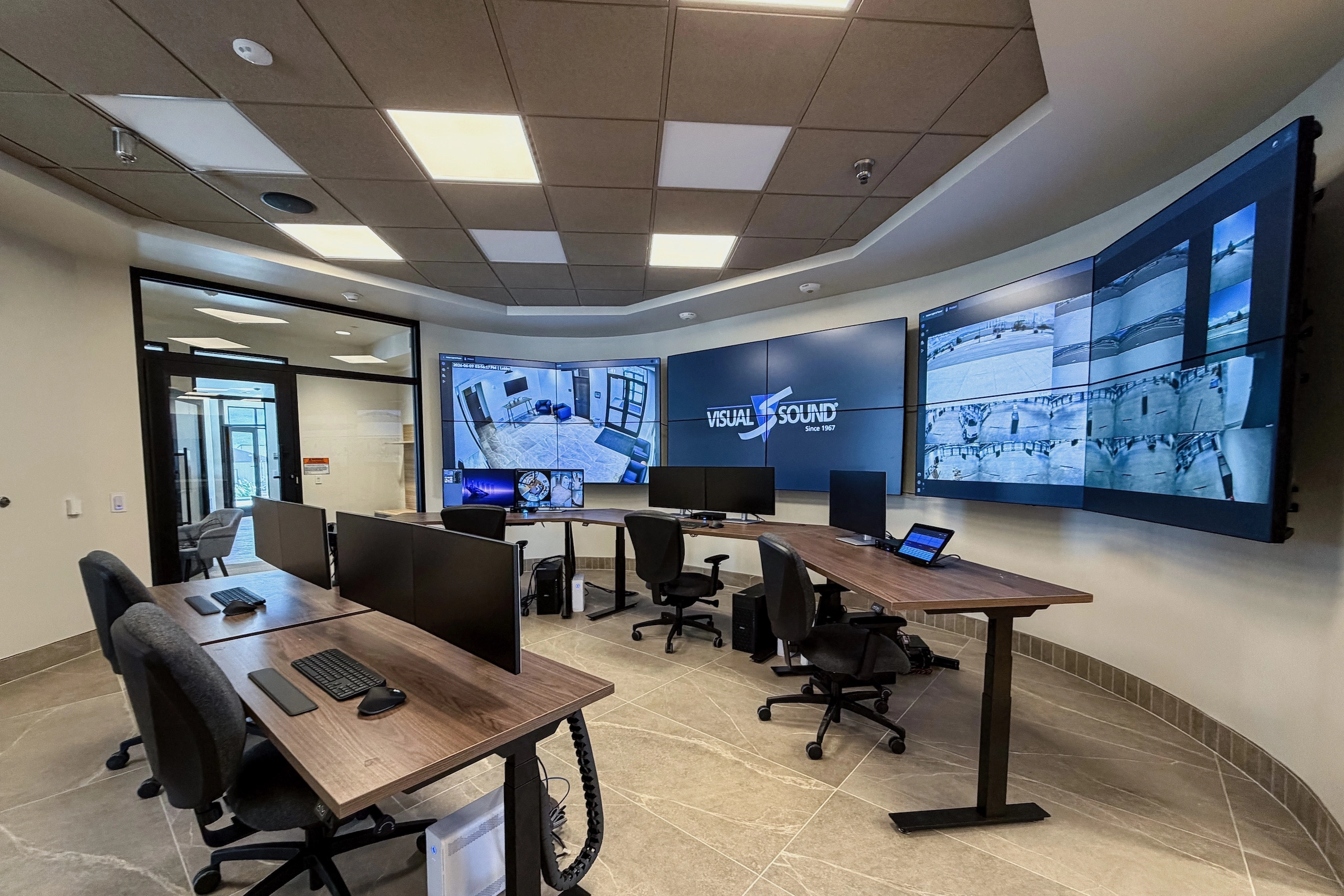
Public Utility Control Room
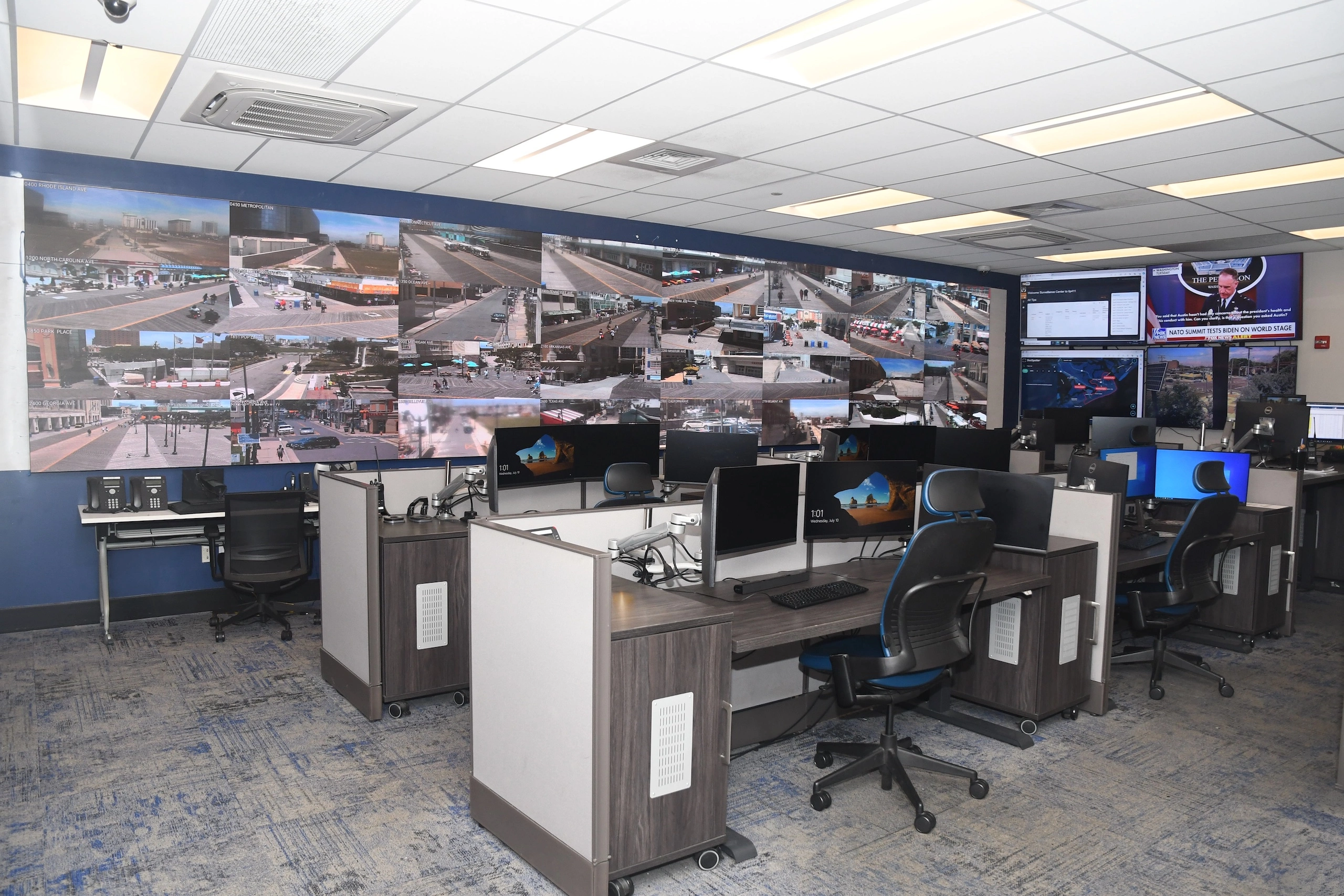
Real Time Crime Center
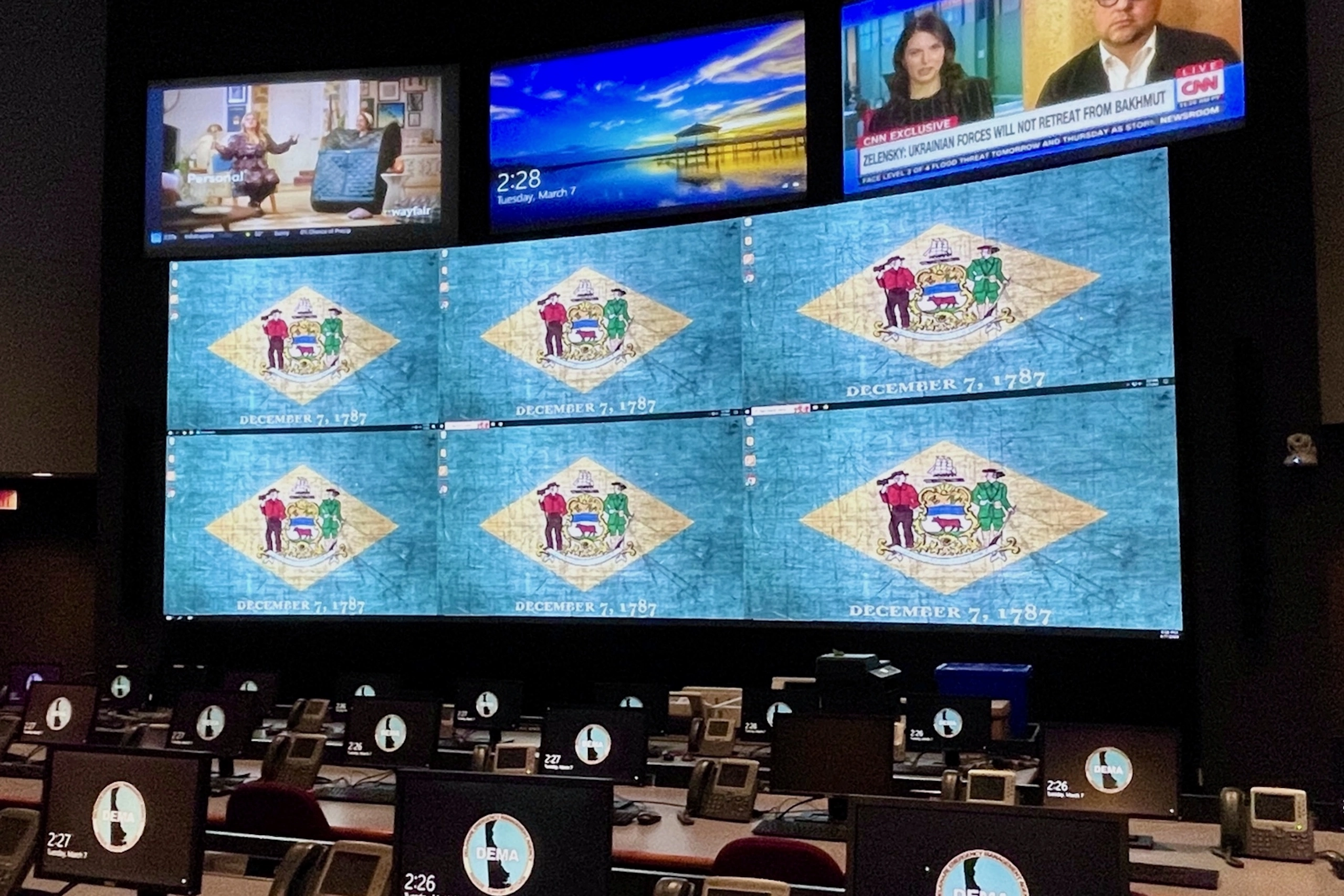
State Emergency Operations Center
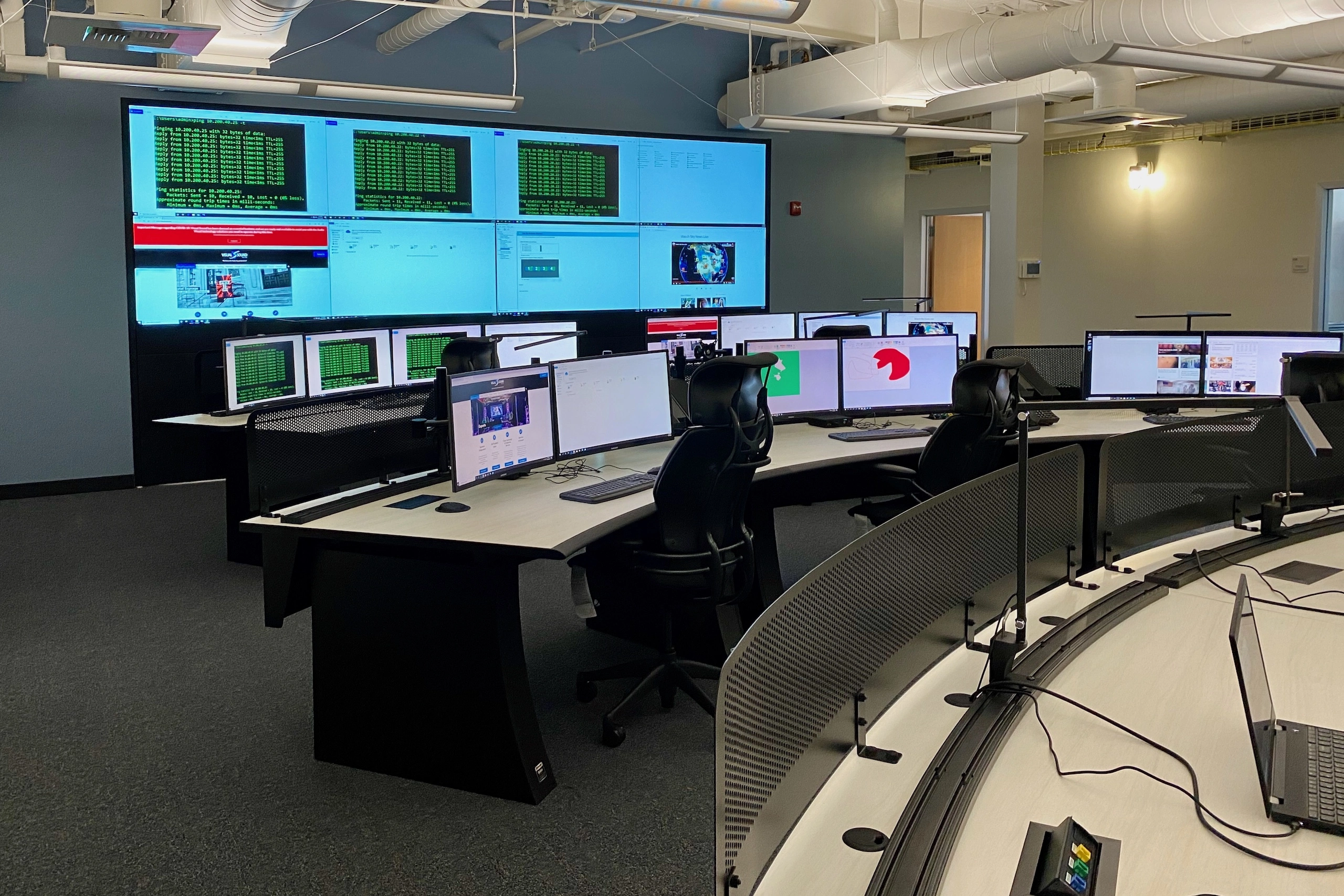
Port Transportation Operations Center
In this report you’ll learn:
✓ How mission-critical environments have evolved
✓ Why demand for control room AV solutions continues to grow
✓ Which industries are investing in control room AV
✓ What makes a successful mission-critical workspace
✓ Why proactive managed AV services have a growing role in the success of mission-critical operations
How Mission Critical Control Rooms Have Evolved
In recent years, command-and-control environments have undergone a dramatic transformation.
Traditional control rooms built around isolated systems, analog technologies, and limited visualization capabilities are being replaced by highly integrated, networked environments that deliver real-time information from multiple data sources.
Modern mission-critical control room solutions now combine:
- Large-format video walls
- Direct-view LED (dvLED) displays
- AV-over-IP distribution
- KVM and control systems
- Advanced video processing
- Technology-enabled operator consoles
- Focused audio
- Raised access floor systems
- Secure remote monitoring
- Managed service support
The biggest shift is that these environments are no longer simply displaying information, they are helping centralized and distributed teams interpret data, collaborate, and make faster decisions.
Today’s distributed organizations expect their command centers to provide:
- Greater situational awareness
- Improved operator efficiency
- Increased system resiliency
- Reduced downtime
- Secure access to critical information
The goal is simple: AV technology should help operators focus on the mission.
Why Demand for Control Room AV Continues to Grow
Mission-critical environments continue to see strong investments because organizations cannot afford operational disruption.
Several factors are driving these investments:
Increased Need for Real-Time Situational Awareness
Public safety agencies, utilities, transportation organizations, and enterprises are managing increasingly complex environments. They need centralized spaces where teams can quickly access and interpret information.
The Rising Cost of Downtime
A failed display system in a conference room may be inconvenient. A failure in a utility operations center, emergency response center, or security operations center can have significant consequences.
Reliability, redundancy, and proactive support are now essential requirements.
Digital Transformation and Smarter Infrastructure
Organizations are modernizing aging facilities with technologies that improve visibility, collaboration, and operational intelligence.
This includes integrating:
- Security systems
- SCADA and operational technology (OT)
- Geographic information systems (GIS)
- Data dashboards
- Video surveillance
- Enterprise applications
We asked our Mission-Critical Operations team several key questions and here is what they said.
Which Industries Benefit from Control Room Solutions?
Mission-critical AV solutions benefit organizations across many sectors.
Public Safety and Government
Emergency operations centers (EOCs), 911 centers, and real-time crime centers (RTCCs) continue to modernize as agencies focus on faster response, improved communication, and better coordination between departments.
Utilities and Energy
Utility organizations are investing in advanced control rooms to support grid modernization, infrastructure monitoring, and compliance requirements.
These environments often require specialized expertise integrating AV systems with OT and SCADA environments.
Transportation
Airports, ports, transit organizations, and transportation agencies are upgrading their transportation operations centers (TOCs) to improve traffic management, safety monitoring, and operational coordination.
Corporate Security and Enterprise Operations
Organizations are expanding security operations centers (SOCs) and network operations centers (NOCs) to centralize monitoring, cybersecurity response, and business continuity efforts.
Healthcare and Higher Education
A growing number of healthcare systems and universities are developing emergency operations centers and critical command centers (CCCs) to support centralized visibility, crisis response, patient satisfaction, campus safety, and institutional coordination.
What Makes a Successful Mission-Critical Control Room?
A high-performing control room is not simply a collection of advanced AV technologies. It is a carefully designed environment centered around your operator.
The most effective mission-critical spaces combine five key elements:
- Intelligent Visualization
Large format Video walls remain one of the most important components of command-and-control environments.
Modern AV systems allow operators to visualize and manage:
- Security cameras
- Live dashboards
- Maps and GIS data
- Operational systems
- Video conferencing
- External communications
Flexible video processing and content management platforms allow teams to organize information based on operational needs.
- Ergonomic Operator Workspaces
Operators may spend eight, ten, or twelve hours monitoring critical systems.
That makes human factors engineering essential.
Effective control rooms consider:
- Reduced complexity
- Proper sightlines
- Adjustable consoles
- Lighting conditions
- Acoustics
- Screen placement
- Operator comfort
Reducing fatigue improves focus, accuracy, and response times.
- Reliable AV Distribution and Control
Modern command centers depend on flexible, secure systems that allow operators to access information quickly.
AV-over-IP, KVM solutions, and centralized control platforms help organizations distribute and manage content across multiple facilities and complex environments.
- Security and Reliability
Mission-critical AV systems must be designed with cybersecurity and redundancy in mind.
Organizations increasingly require:
- Secure remote access
- Network segmentation
- System monitoring
- Compliance alignment
- Backup capabilities
AV is no longer separate from IT and operational technology and must be designed as part of the larger technology ecosystem.
- Ongoing Support and Optimization
A mission-critical system is never truly finished after installation.
Organizations need partners who can provide:
- Remote management and monitoring
- Regular preventative maintenance
- System health checks
- Performance optimization
- Upgrade planning
- Technical support
This shift from project-based integration to lifecycle support is becoming a key factor in selecting a control room solutions partner.
Are LED Video Walls Replacing LCD in Control Rooms?
dvLED technology continues to gain momentum in mission-critical environments, but LCD video walls remain part of the conversation.
Many organizations still operate LCD-based systems because of existing infrastructure and budget considerations. However, new deployments increasingly favor LED because of its advantages:
- Seamless visual experience
- Higher brightness
- Improved viewing comfort
- Lower long-term maintenance
- Greater scalability
Many control room applications utilize pixel pitches between approximately 1.0 mm and 2.5 mm depending on viewing distance, room size, and operational requirements.
For organizations looking to upgrade, a phased modernization approach provides the right balance between performance and budget.
The Growing Role of Managed AV Services in Mission-Critical Facilities
One of the biggest changes in command-and-control environments is the move toward proactive service models.
Organizations are no longer looking only for someone to install their technology—they need a partner who can help maintain performance over time.
Managed AV services can include:
- Remote system monitoring
- Proactive alerts
- Preventative maintenance
- Help desk support
- Firmware and software updates
- Performance analytics
- Technology roadmap planning
This approach helps organizations reduce downtime while extending the life of their investment.
For mission-critical environments, managed AV services create confidence that systems are continuously monitored, optimized, and ready when needed.
How AI and Cybersecurity Are Shaping the Future of Control Rooms
Artificial intelligence is beginning to influence the next generation of mission-critical environments.
Potential applications include:
- Predictive system monitoring
- Automated issue detection
- Data organization
- Workflow optimization
- Reduced operator workload
However, successful AI implementation requires balance. Technology must support operators—not overwhelm them with unnecessary alerts or complexity.
Cybersecurity will remain one of the most important considerations moving forward.
Future command centers must provide secure integration between:
- AV systems
- Enterprise IT
- Operational technology
- Cloud platforms
- AI-driven tools
The challenge is creating a seamless user experience while maintaining the highest standards of security and reliability.
Frequently Asked Questions (FAQ) About Mission-Critical AV
The Future of Mission Critical AV: From Control Rooms to Operational Advantage
Over the next several years, command-and-control environments will continue evolving into intelligent, connected decision-making centers.
Future systems will emphasize:
- More secure network architectures
- Greater automation
- AI-assisted operations
- Flexible visualization
- Improved operator experiences
- Predictive maintenance
- Lifecycle technology partnerships
The organizations that succeed will be those that recognize mission-critical AV is not about purchasing equipment—it is about creating an operational advantage.
At Visual Sound, we believe the best technology disappears into the background, allowing people to focus on what matters most: making better decisions when they matter most.
Through specialized Mission Critical Operations expertise, advanced AV integration, and ongoing support services, we help organizations design command-and-control environments built for today’s challenges and tomorrow’s opportunities.
Because when the mission is critical, AV is more than technology. It’s an advantage.