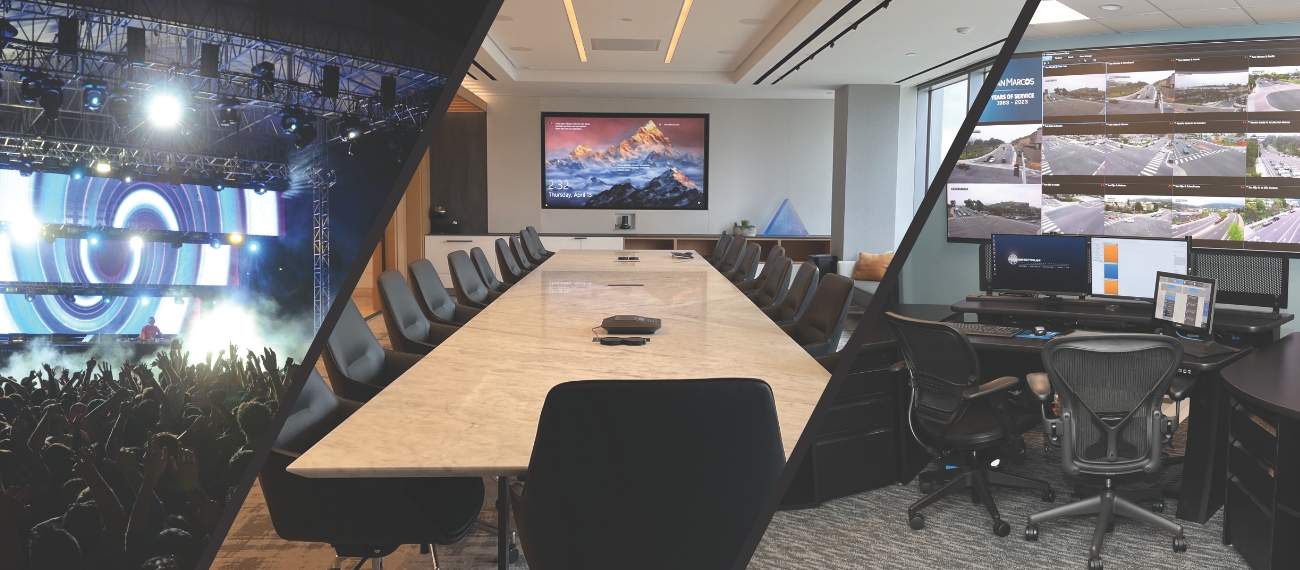
Mid-Year 2026 Industry Outlook: 6 AV Trends Transforming the Future of Audio Visual Technology
Executive Overview
The first half of 2026 has reinforced what many organizations already suspected: audio visual technology has become a strategic business investment rather than a supporting technology.
Across corporate workplaces, higher education, houses of worship, healthcare, government, live events, and mission-critical operations, organizations and nonprofits are investing in AV systems that improve collaboration, increase reliability, simplify management, and create better user experiences.
At Visual Sound, we’ve spent nearly six decades helping organizations design, integrate, manage, and support technology that drives real business outcomes. Based on conversations with clients, project activity, and industry research, here are the six biggest trends defining the AV industry halfway through 2026.
Six Key Findings
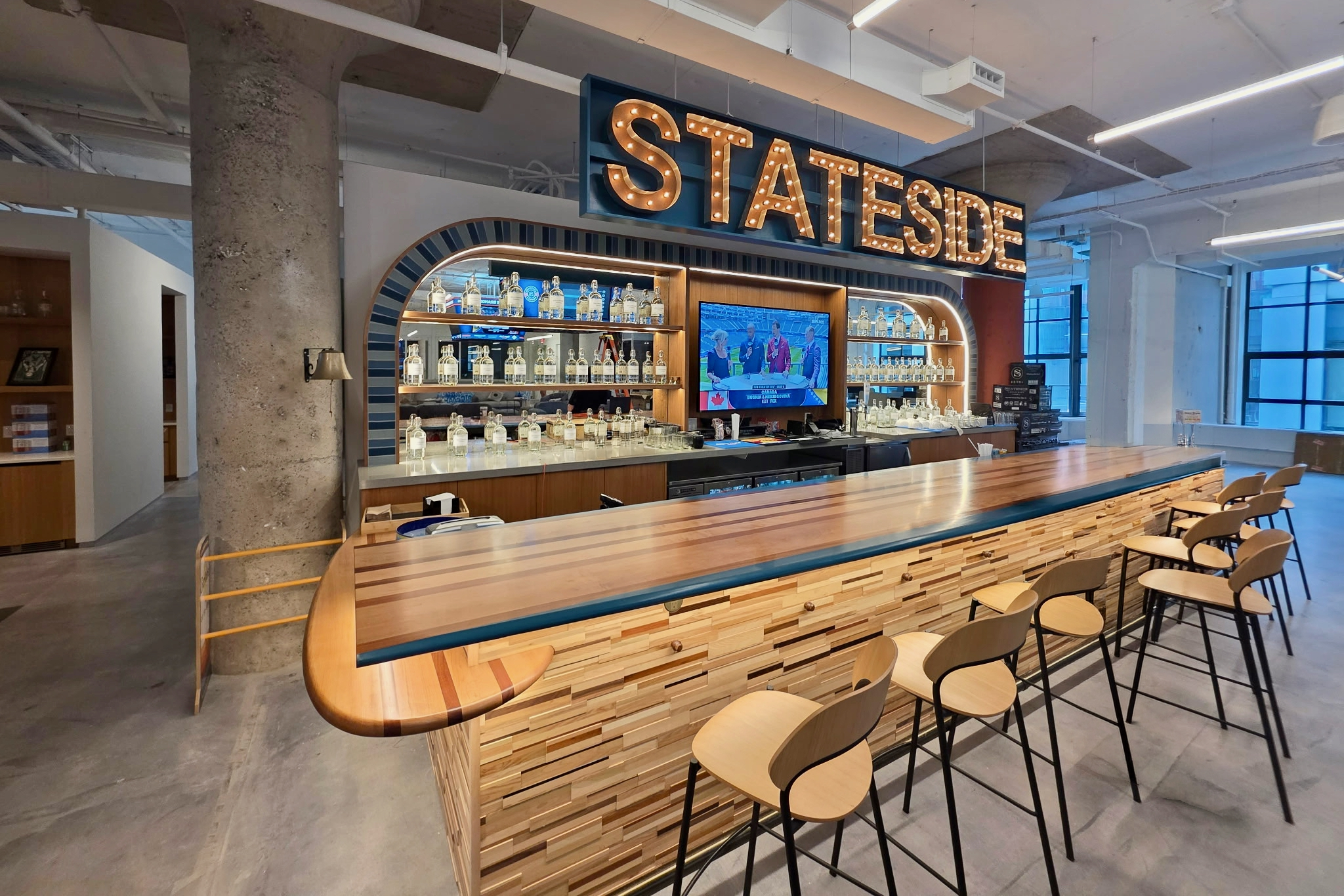
Finding #1: Experience is becoming the new key performance indicator for the success of live events.
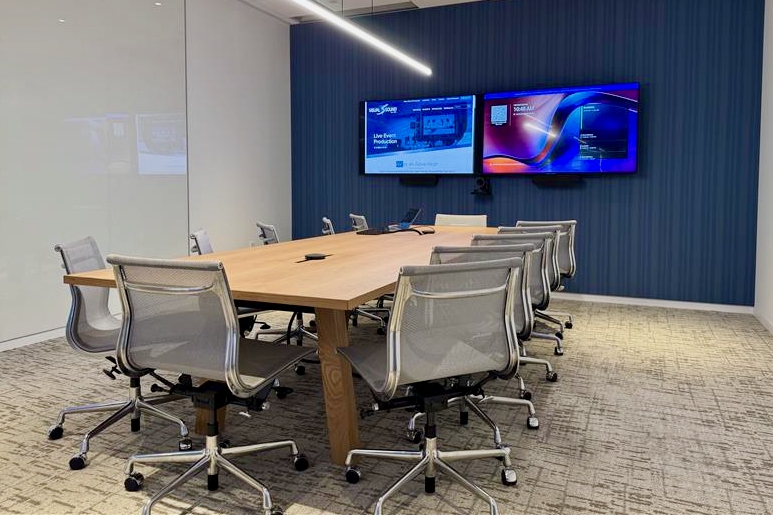
Finding #2: Workplace AV is shifting from conference rooms to destination workplaces.
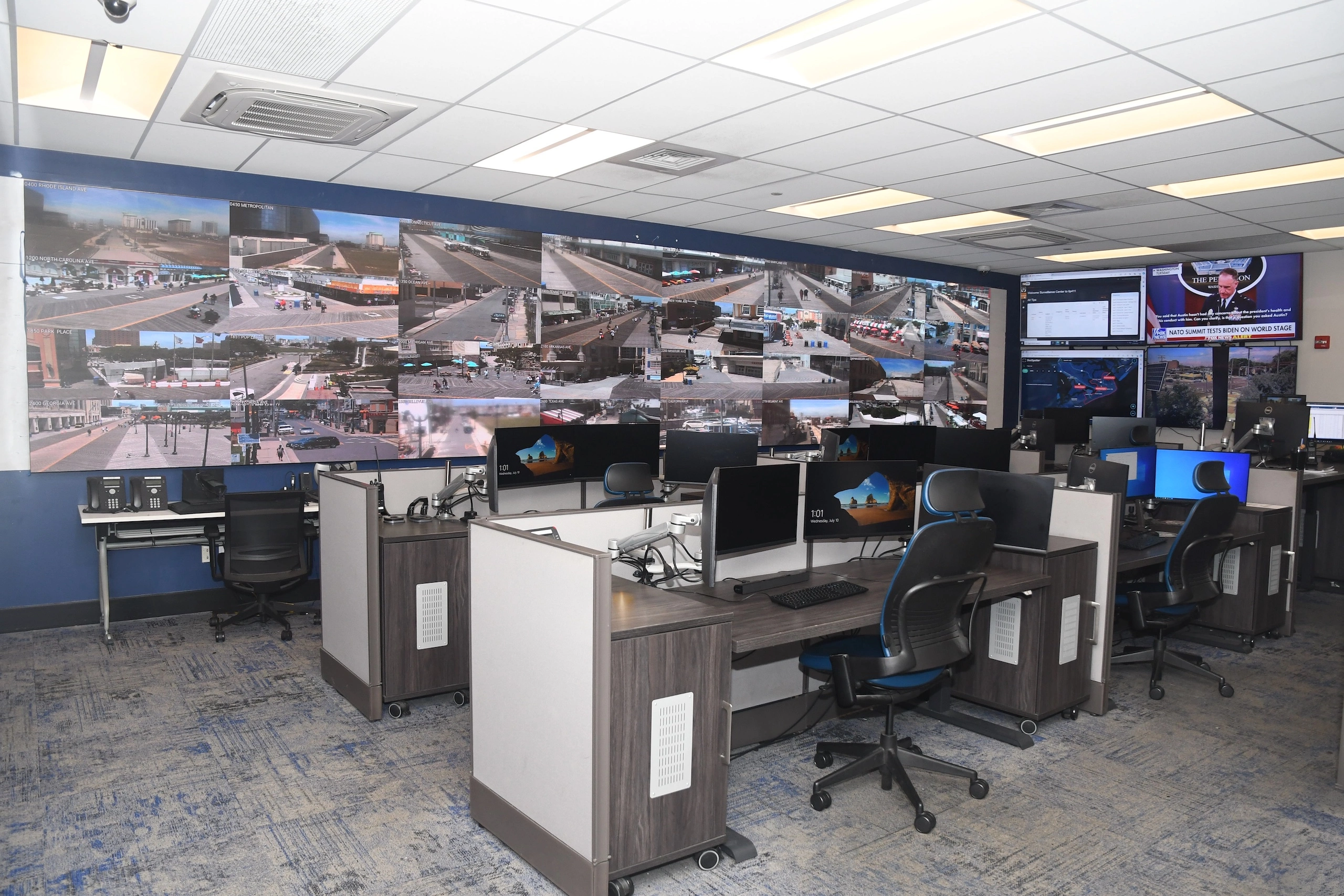
Finding #3: Mission-critical operations are driving the next wave of AV investment.
Finding #4: Managed services are replacing the traditional break-fix model.
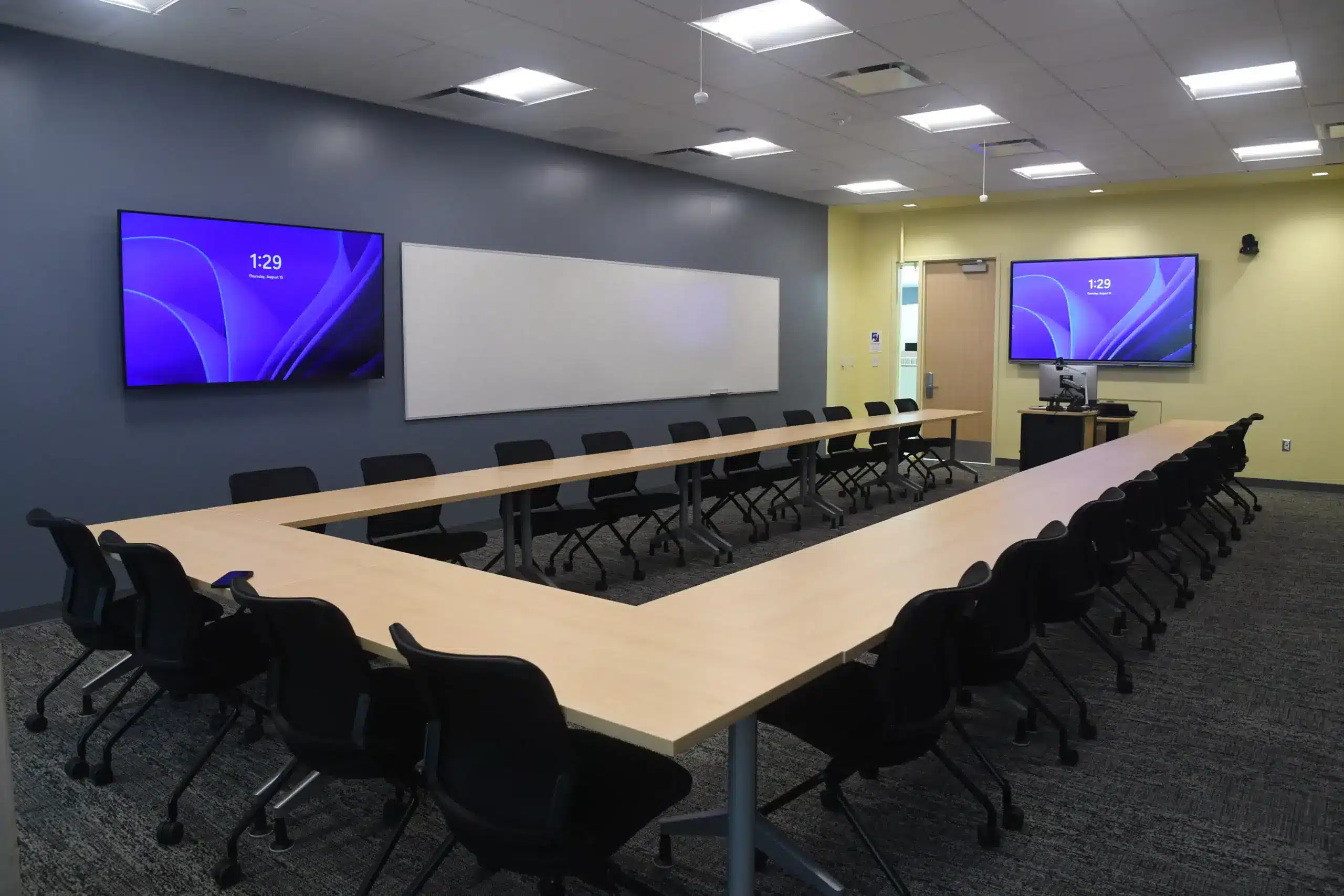
Finding #5: Education is standardizing technology for consistency and scalability.
Finding #6: Unified communications is converging with enterprise AV.

In this report you’ll learn:
✓ Where AV budgets are growing
✓ Technologies organizations are adopting
✓ How AI is changing AV
✓ Why managed services continue to expand
✓ What enterprise buyers are prioritizing
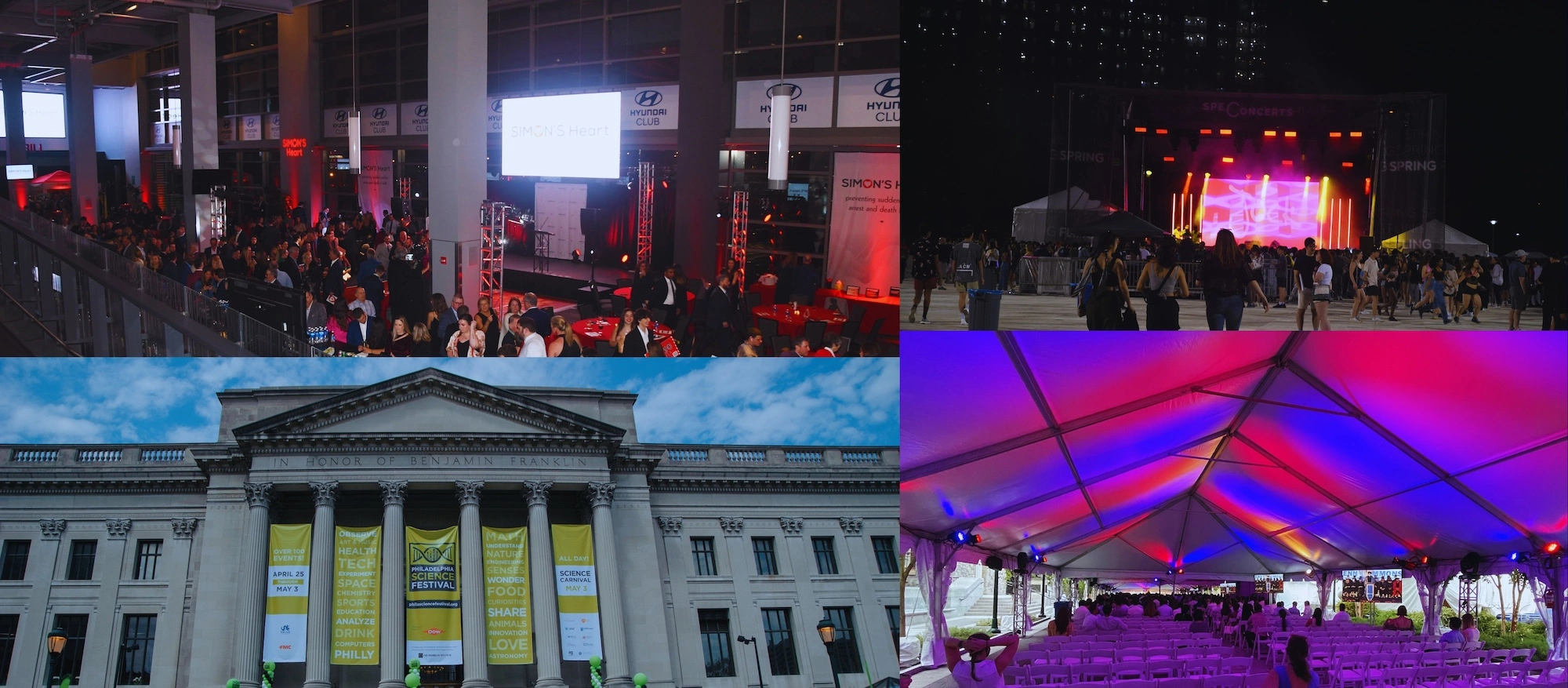
1. Experience Is Driving Live Event Technology Investments
Mid year insight
Organizations are placing greater emphasis on creating memorable experiences rather than simply producing events.
Whether it’s an employee town hall, customer conference, product launch, or fundraising gala, companies are investing in professional production to deliver broadcast-quality experiences for both in-person and virtual audiences.
What we’re seeing
- More hybrid and multi-site productions
- Increased use of LED video walls
- Greater demand for immersive lighting and audio
- Standardized staging packages for recurring events
- Higher expectations for reliability and redundancy
Why it matters
Successful events aren’t defined by the technology—they’re defined by the experience the technology enables. Organizations that prioritize professional event production create stronger audience engagement while reducing technical risk.
2. Modern Workplaces Are Being Designed Around Employee Experiences
Mid-Year Insight
The workplace continues to evolve beyond rows of conference rooms.
Organizations are creating flexible environments that encourage collaboration while giving employees a reason to come into the office.
Hospitality-inspired spaces—including cafés, innovation centers, briefing centers, wellness spaces, and executive collaboration rooms—continue to gain momentum.
What we’re seeing
- Increased deployment of AV-over-IP infrastructure
- AI-enabled meeting room technologies
- Standardized meeting room designs
- More collaboration spaces outside traditional conference rooms
- Greater integration between AV, IT, and workplace technology
Why it matters
Organizations want technology that employees don’t have to think about. Reliable, intuitive AV creates better meetings, improves collaboration, and increases workplace satisfaction.
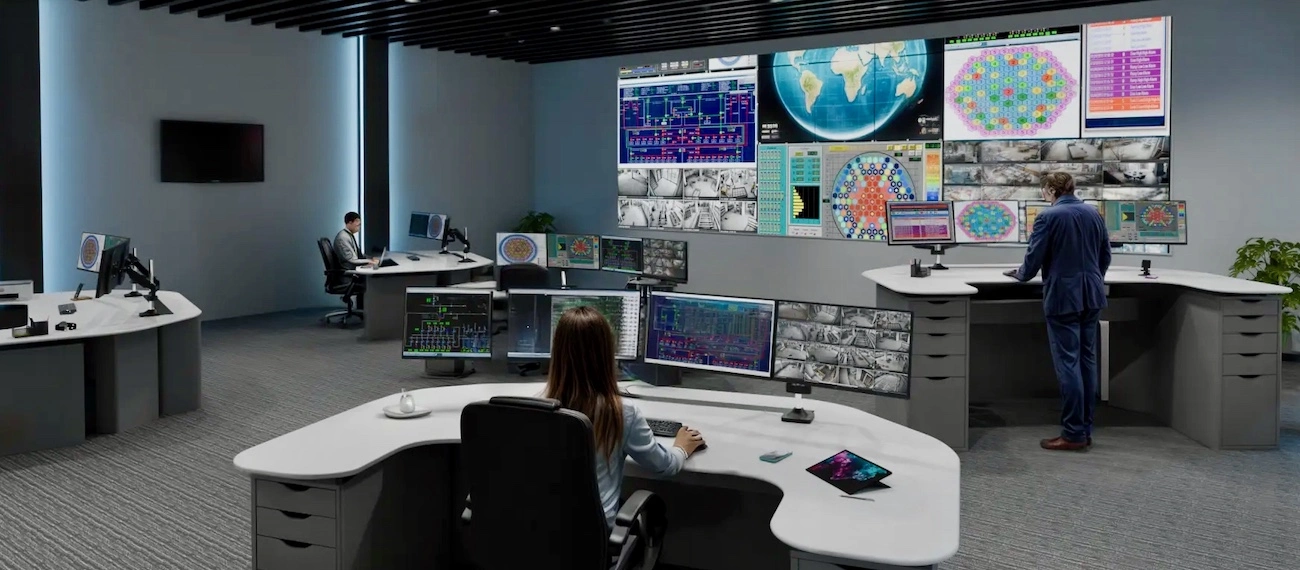
3. Mission-Critical Control Rooms Continue to Expand
Mid-Year Insight
Control room technology is expanding well beyond traditional emergency operations centers.
Healthcare systems, school districts, utilities, transportation agencies, law enforcement, and enterprise organizations are investing in centralized command environments that improve visibility and speed decision-making.
What we’re seeing
- Increased adoption of DVLED video walls
- Greater emphasis on operator ergonomics
- Secure AV-over-IP architectures
- More integrated visualization platforms
- Growing investment in command and monitoring centers
Why it matters
When every second counts, technology must deliver immediate access to critical information without adding complexity.
4. AV Managed Services Are Becoming a Standard Business Practice
Mid-Year Insight
Organizations no longer want to wait until something breaks. Instead, they’re adopting proactive monitoring that identifies issues before users even notice them.
AV Remote management and monitoring has become especially valuable for organizations supporting multiple campuses, offices, or facilities.
What we’re seeing
- Growth in remote monitoring
- AI-assisted diagnostics
- Predictive maintenance
-
Predictive monitoring
- Centralized cloud dashboard
- Performance reporting for AV systems
- Remote diagnostics
- Analytics
- Multi-site support
- Lifecycle management
- Security
Why it matters
Proactive service reduces downtime, lowers operational costs, and allows internal IT teams to focus on strategic initiatives instead of troubleshooting meeting rooms.
5. Education Is Standardizing Classroom Technology
Mid-Year Insight
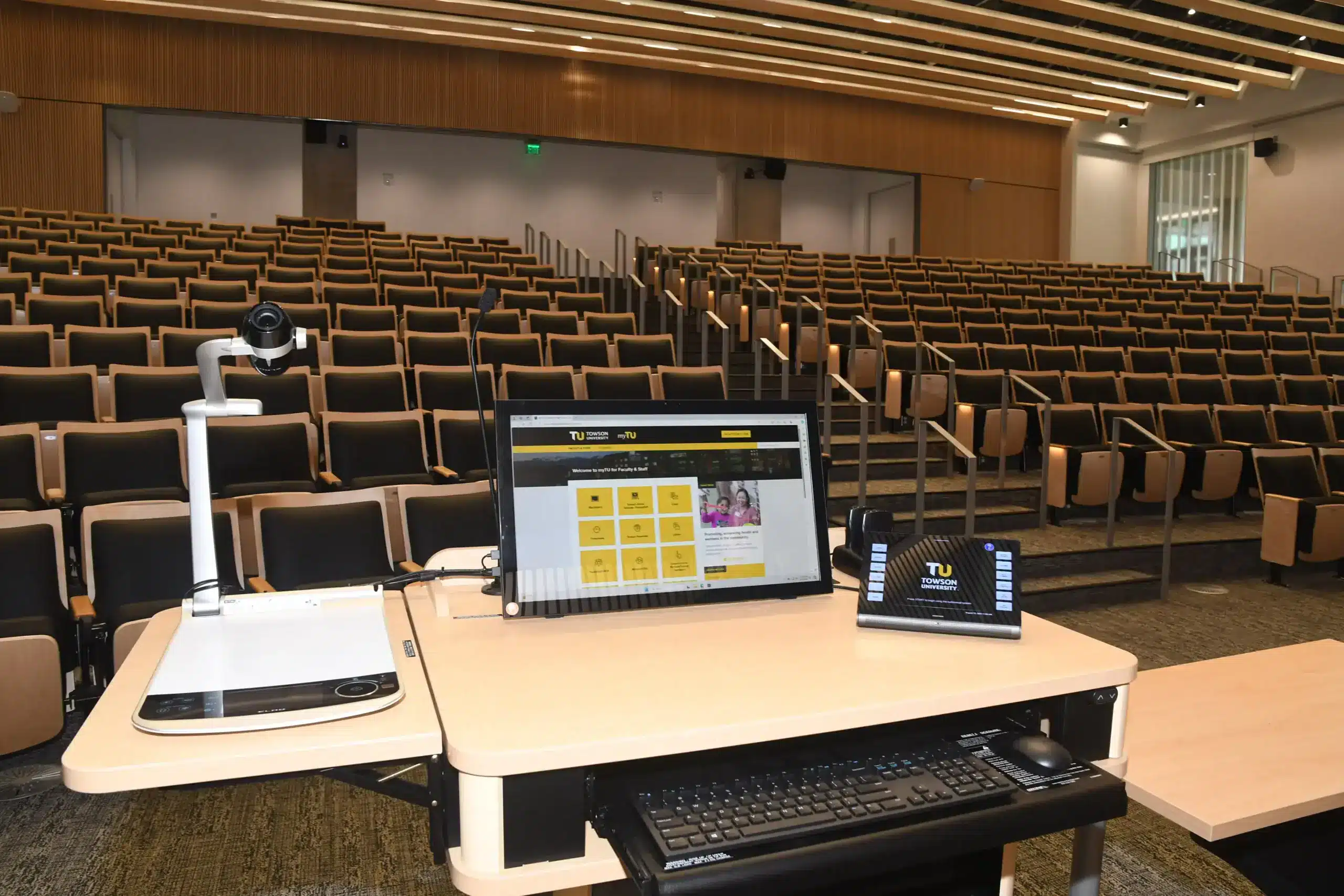
Schools and universities continue moving toward standardized classroom technology rather than room-by-room customization. This creates a consistent teaching experience while simplifying training, maintenance, and future upgrades.
What we’re seeing
- Hybrid-ready classroom
- Simplified instructor controls
- More accessible learning technologies
- Campus-wide AV standards
- Scalable room designs
Why it matters
Faculty should be focused on teaching—not troubleshooting technology.
6. Unified Communications Is Becoming More Integrated
Mid-Year Insight
Enterprise communications are becoming more tightly connected with collaboration platforms and AV systems.
Organizations are looking for communication platforms that support hybrid work while maintaining security, reliability, and business continuity.
What we’re seeing
- Hybrid cloud VoIP deployments
- Greater integration with meeting platforms
- Improved resiliency and failover
- Increased focus on cybersecurity
- Centralized communications management
Why it matters
Reliable communications remain one of the most important components of an organization’s collaboration strategy.
Frequently Asked Questions (FAQ) About AV Trends in 2026
Mid-Year Takeaways: AV Is Delivering Business Value
Six months into 2026, one trend stands above the rest:
Organizations are investing in outcomes—not just technology.
The most successful AV strategies prioritize:
- Employee and customer experiences
- Operational reliability
- Scalable system design
- Proactive support
- Long-term technology planning
Whether it’s creating engaging live events, supporting hybrid work, modernizing classrooms, building mission-critical control rooms, or managing enterprise AV environments, technology performs best when it’s aligned with business goals.
Looking Ahead
The second half of 2026 will likely bring even greater adoption of AI-assisted AV management, cloud-connected infrastructure, standardized workplace technology, and data-driven operational insights.
Organizations that invest today in scalable, well-supported AV systems will be better positioned to adapt as technology—and business needs—continue to evolve.
For nearly 60 years, Visual Sound has helped organizations transform audio visual technology into a strategic advantage. If you’re planning your next AV initiative, our team is ready to help you design, integrate, and support solutions that deliver measurable business outcomes.